10 Best Vitamin C Serums
From leading brands and best sellers available on the web.By clicking on a link to a third party's website, log data is shared with that third party.
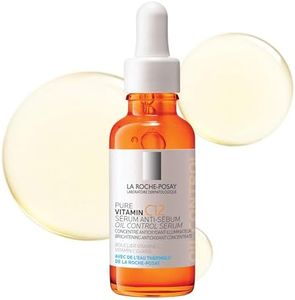
Related Products
Up to 14% off
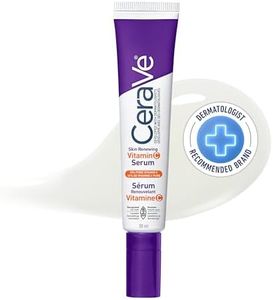
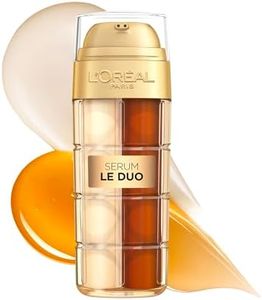
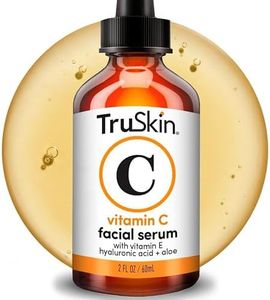
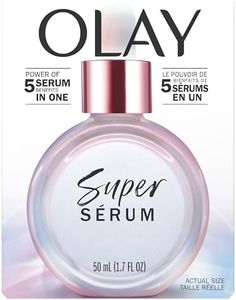
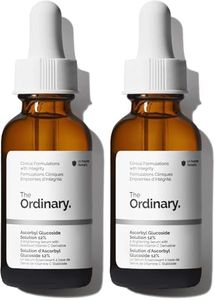
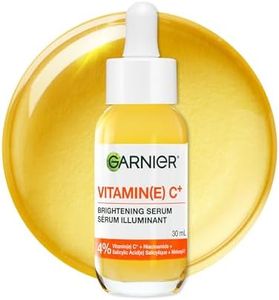
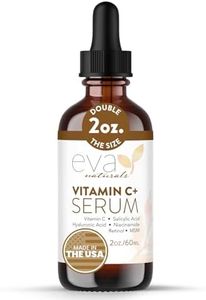
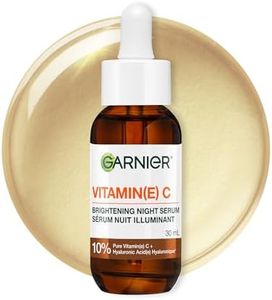
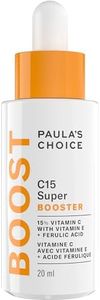
Buying Guide for the Best Vitamin C Serums
Choosing the right vitamin C serum can make a big difference in your skincare routine. Vitamin C serums are popular for their ability to brighten skin, even out skin tone, and protect against environmental damage. However, not all serums are created equal, and understanding the key features can help you find the best fit for your skin type and goals. When shopping, focus on the concentration, type of vitamin C, supporting ingredients, packaging, and your own skin’s needs.Vitamin C ConcentrationThe concentration of vitamin C in a serum refers to the percentage of the active ingredient present. This is important because it affects how potent and effective the serum will be. Lower concentrations (around 5-10%) are generally gentler and suitable for sensitive or new users, while mid-range concentrations (10-20%) are common for most skin types and offer noticeable results. Higher concentrations (20% and above) can provide stronger effects but may cause irritation for some people. To pick the right one, consider your skin’s sensitivity and whether you’re new to vitamin C serums—start low and increase as your skin builds tolerance.
Type of Vitamin CVitamin C comes in different forms, with L-ascorbic acid being the most researched and effective, but also the most unstable and potentially irritating. Other forms like sodium ascorbyl phosphate or magnesium ascorbyl phosphate are more stable and gentler, making them good choices for sensitive skin. If you want fast, visible results and your skin can handle it, L-ascorbic acid is a strong option. If you have sensitive skin or want a milder product, look for serums with stabilized vitamin C derivatives.
Supporting IngredientsMany vitamin C serums include additional ingredients like vitamin E, ferulic acid, hyaluronic acid, or botanical extracts. These can boost the effectiveness of vitamin C, improve hydration, or add extra antioxidant protection. For example, vitamin E and ferulic acid can help stabilize vitamin C and make it work better, while hyaluronic acid adds moisture. Think about your skin’s needs—if you want extra hydration, look for hyaluronic acid; if you want more antioxidant power, vitamin E or ferulic acid are good additions.
PackagingVitamin C is sensitive to light and air, which can make it lose its effectiveness over time. Packaging matters because it helps protect the serum from these elements. Dark glass bottles or airless pumps are best for keeping the serum stable and potent. Avoid clear or open containers, as they can let in light and air, causing the vitamin C to break down faster. When choosing, look for packaging that keeps the product fresh for as long as possible.
Skin Type CompatibilityNot all vitamin C serums are suitable for every skin type. Some are formulated for oily or acne-prone skin, while others are designed for dry or sensitive skin. Lightweight, water-based serums are better for oily or combination skin, while richer, more hydrating formulas suit dry skin. If you have sensitive skin, look for serums labeled as gentle or formulated for sensitive skin. Always consider your skin’s unique needs and how it reacts to new products when making your choice.