10 Best Helmet Communication Systems
From leading brands and best sellers available on the web.By clicking on a link to a third party's website, log data is shared with that third party.

Related Products
Up to 5% off
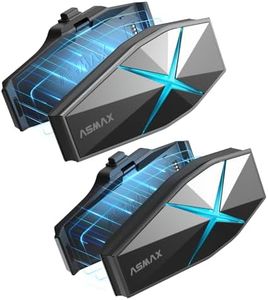
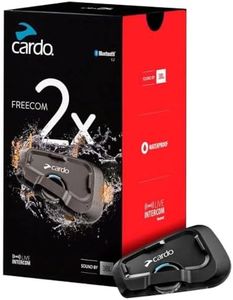
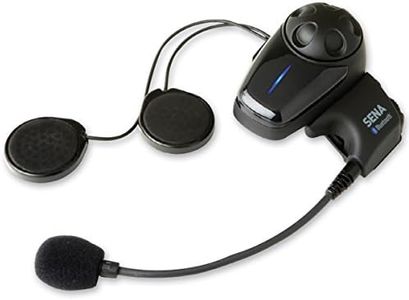
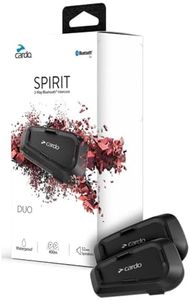
Recommended lists

Top rated
Books On Communications
Buying Guide for the Best Helmet Communication Systems
Choosing a helmet communication system can make your rides safer, more enjoyable, and more connected. These systems allow you to talk with other riders, listen to music, get GPS directions, and even take phone calls without taking your hands off the handlebars. To find the best fit, you should think about how you plan to use the system, who you want to communicate with, and what features matter most to you. Understanding the key specifications will help you make a smart choice that matches your riding style and needs.RangeRange refers to the maximum distance over which the communication system can connect with other units. This is important because it determines how far apart you and your riding partners can be while still staying in touch. Short-range systems (up to 500 meters) are suitable for close group rides or city commuting, while mid-range (500 meters to 1 kilometer) works well for small groups or moderate distances. Long-range systems (over 1 kilometer) are best for large groups or riders who may get spread out over longer distances. Think about the typical distance between you and your riding companions to decide what range you need.
Number of ConnectionsThis spec tells you how many riders can be connected at the same time. Some systems only allow two people to talk, while others support group intercoms with several riders. If you usually ride solo or with one other person, a basic two-way system is enough. For group rides, look for systems that support more connections, so everyone can join the conversation. Consider your usual riding group size to pick the right option.
Battery LifeBattery life indicates how long the system can operate before needing a recharge. This is important for longer rides or trips where charging opportunities are limited. Short battery life (up to 8 hours) is fine for daily commutes or short rides, while medium (8-15 hours) and long battery life (over 15 hours) are better for touring or all-day adventures. Match the battery life to the length of your typical rides to avoid running out of power mid-journey.
Audio QualityAudio quality covers how clear and loud the sound is, both for you and the people you’re talking to. Good audio quality is important for understanding conversations, especially at high speeds or in noisy environments. Basic systems may have simple speakers, while higher-end ones offer noise cancellation and high-definition sound. If you ride in noisy conditions or value music and clear calls, prioritize systems with advanced audio features.
Ease of Installation and CompatibilityThis refers to how easily the system fits into your helmet and whether it works with your helmet type. Some systems are universal and fit most helmets, while others are designed for specific styles (like full-face or open-face). If you want a hassle-free setup, look for systems known for easy installation. Always check that the system is compatible with your helmet to ensure a secure and comfortable fit.
Control OptionsControl options describe how you operate the system—through buttons, dials, or voice commands. Simple button controls are easy to use but may require taking your hand off the handlebars. Systems with voice control let you keep your hands on the bike, which is safer and more convenient. If you value safety and ease of use, look for systems with intuitive controls or voice activation.
Water and Weather ResistanceThis spec tells you how well the system can handle rain, dust, and other weather conditions. If you ride in all kinds of weather, a system with good water and dust resistance is important to ensure reliability and durability. Occasional fair-weather riders may not need the highest level of protection, but frequent or year-round riders should prioritize weather-resistant models.