We Use CookiesWe use cookies to enhance the security, performance,
functionality and for analytical and promotional activities. By continuing to browse this site you
are agreeing to our privacy policy
10 Best Hands Free Breast Pump
From leading brands and best sellers available on the web.By clicking on a link to a third party's website, log data is shared with that third party.
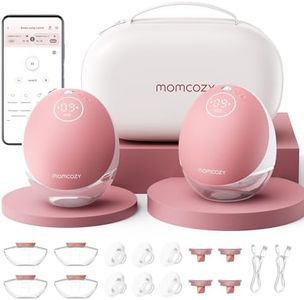

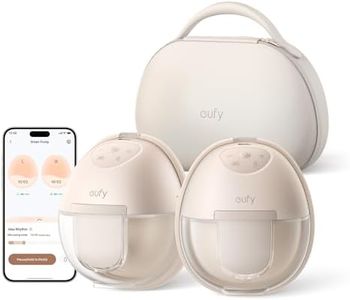
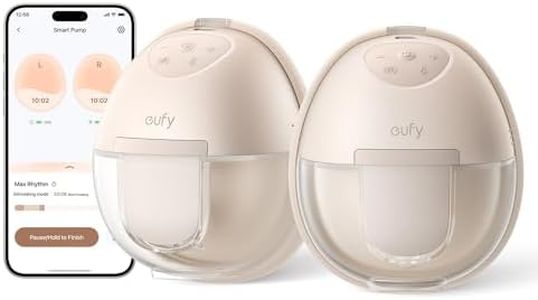
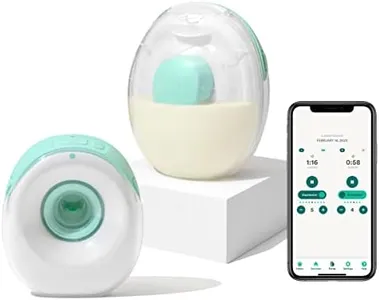
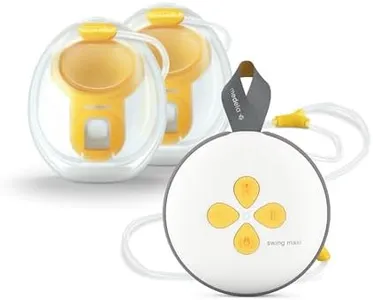

Related Products
Up to 15% off
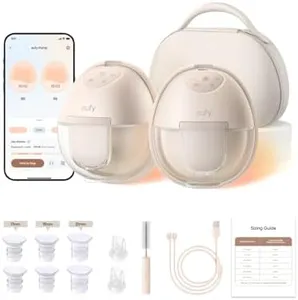
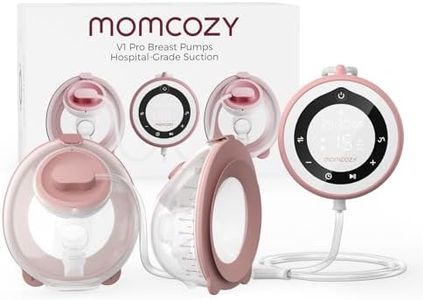
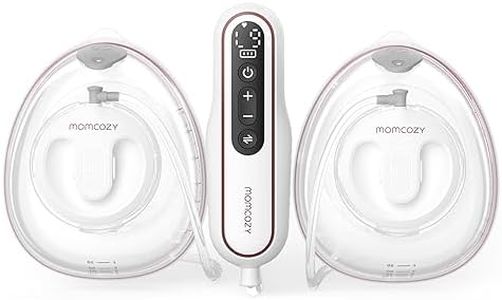
Recommended lists


Buying Guide for the Best Hands Free Breast Pump
Choosing a hands-free breast pump can make a big difference in your breastfeeding journey, especially if you want more flexibility and freedom while pumping. The right pump should fit comfortably, be easy to use, and match your lifestyle needs. When shopping, focus on how the pump will fit into your daily routine, how easy it is to clean, and whether it offers the features that matter most to you. Understanding the key specifications will help you make a choice that supports your comfort and efficiency.Suction StrengthSuction strength refers to how powerfully the pump can extract milk. This is important because stronger suction can help express milk more efficiently, but too much can be uncomfortable. Suction is usually measured in mmHg. Lower suction (below 200 mmHg) is gentler and may be suitable for sensitive users or those just starting out. Medium suction (200-250 mmHg) is a good balance for most people, offering effective milk expression without too much discomfort. High suction (above 250 mmHg) is best for those who need to pump quickly or have a strong milk supply, but it can be uncomfortable for some. Choose a pump with adjustable suction so you can find the level that feels right for you.
Portability and SizePortability and size determine how easy it is to carry and use the pump on the go. Smaller, lightweight pumps are easier to wear under clothing and move around with, making them ideal for busy or working parents. Larger pumps may offer more features but can be bulkier and less discreet. Think about where and when you’ll be pumping most often—if you need to pump at work or while running errands, a compact and lightweight design will be more convenient.
Battery LifeBattery life tells you how long the pump can operate before needing a recharge. This is crucial if you plan to use the pump away from home or don’t want to be tied to a power outlet. Short battery life (under 2 hours) may require frequent charging and is best for occasional use. Medium battery life (2-4 hours) suits most daily routines, while long battery life (over 4 hours) is ideal for frequent pumpers or those who travel. Consider your daily schedule and how often you’ll be able to recharge the pump.
Noise LevelNoise level refers to how loud the pump is during operation. Quieter pumps are more discreet and less likely to disturb others, which is important if you plan to pump at work or in shared spaces. Noise is usually described as low, medium, or high. Low-noise pumps are best for privacy and comfort, while higher-noise pumps may be fine if you’re mostly pumping at home. Think about where you’ll be using the pump and whether noise will be a concern.
Ease of CleaningEase of cleaning is about how simple it is to take apart, wash, and reassemble the pump. Pumps with fewer parts are generally easier and quicker to clean, which can save you time and reduce stress. Some pumps are dishwasher-safe, while others require hand washing. If you’ll be pumping frequently, look for a model that’s easy to clean to make your routine more manageable.
Fit and ComfortFit and comfort refer to how well the pump’s flanges (the part that goes over your breast) fit your body and how comfortable the pump feels during use. A good fit is important for effective milk expression and to avoid discomfort or irritation. Pumps often come with different flange sizes or adjustable options. If you have sensitive skin or unique sizing needs, look for a pump that offers multiple flange sizes or soft, flexible materials. Comfort should always be a top priority, as it affects both your experience and milk output.
Milk Storage OptionsMilk storage options describe how the pump collects and stores your milk. Some pumps allow you to pump directly into bottles or storage bags, which can save time and reduce the risk of spills. Others may require transferring milk from the pump container to a separate storage container. If you want to streamline your pumping and feeding process, look for a pump that is compatible with your preferred storage method.