10 Best Exercise Bands
From leading brands and best sellers available on the web.By clicking on a link to a third party's website, log data is shared with that third party.
Related Products
Recommended lists

Top rated
Exercise Balls
Buying Guide for the Best Exercise Bands
Choosing the right exercise bands can make your workouts more effective and enjoyable. Exercise bands, also known as resistance bands, are versatile tools for strength training, stretching, and rehabilitation. When picking the best fit for you, it's important to consider your fitness goals, current strength level, and the types of exercises you plan to do. Understanding the key specifications will help you select bands that match your needs and ensure you get the most out of your workouts.Resistance LevelResistance level refers to how much force the band provides when stretched. This is important because it determines how challenging your exercises will be. Bands usually come in different levels, such as light, medium, heavy, and extra heavy. Light bands are best for beginners, rehabilitation, or exercises that target smaller muscle groups. Medium bands are suitable for people with some experience or for working larger muscles. Heavy and extra heavy bands are ideal for advanced users or for building more strength. To pick the right resistance, think about your current strength and the exercises you want to do. If you’re new, start with lighter bands and progress as you get stronger.
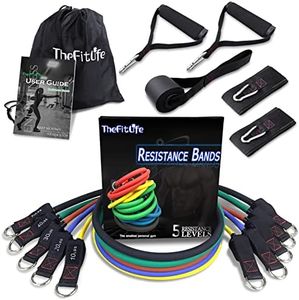
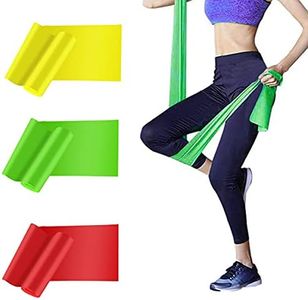
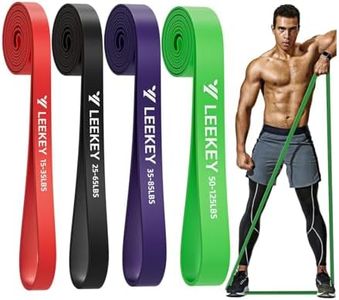
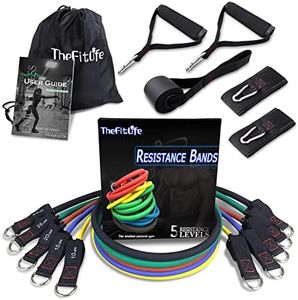
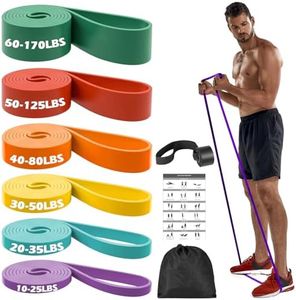
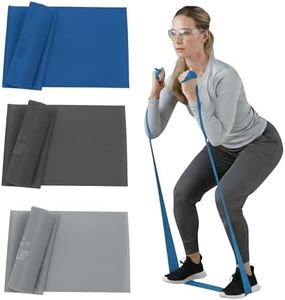
Band TypeThere are several types of exercise bands, including loop bands, tube bands with handles, therapy bands, and figure-eight bands. The type is important because it affects how you can use the band and which exercises you can perform. Loop bands are great for lower body exercises and stretching, tube bands with handles are versatile for upper and lower body workouts, therapy bands are flat and wide for gentle stretching or rehab, and figure-eight bands are good for targeted exercises. Choose the type that matches your workout style and the exercises you plan to do most often.
Length and SizeThe length and size of the band affect how much you can stretch it and which exercises you can perform. Shorter bands are typically used for exercises like squats or glute bridges, while longer bands are better for full-body movements and stretching. If you’re tall or want to do exercises that require a lot of movement, a longer band will be more comfortable. Consider your height and the range of motion you need when choosing the length.
Material QualityMaterial quality refers to what the band is made of, usually latex, rubber, or fabric. This is important for durability, comfort, and safety. Latex and rubber bands are stretchy and provide smooth resistance, but some people may be allergic to latex. Fabric bands are often more comfortable and less likely to roll or pinch, but they may offer less stretch. If you want a band that lasts longer and feels comfortable, look for high-quality materials and check for any allergies you might have.
Portability and StoragePortability and storage refer to how easy it is to carry and store the bands. This matters if you plan to take your bands to the gym, office, or while traveling. Some bands come with carrying bags or cases, making them easy to transport. If you want to work out on the go, choose bands that are lightweight and come with a storage solution.